Few figures have shaped Jackson Hole history as profoundly as Jim Bridger, one of the most skilled mountain men, scouts, and guides of the American West. Long before Jackson Hole became a destination for wildlife, adventure, and river journeys, Bridger was navigating its rugged landscapes, building relationships with Indigenous nations, and mapping the very routes people still travel today.
His story stretches from survival and exploration to diplomacy and trailblazing innovation, making him a defining character in the history of the Tetons.
Who Was Jim Bridger?
Jim Bridger was born in 1804 in Richmond, Virginia. Orphaned at 13, he grew up fast and headed west in search of opportunity. By 18, he joined General William Henry Ashley’s famous fur-trapping expedition, an adventure that launched him into the heart of the Rocky Mountains and into the company of legendary mountain men.
Over time, he became one of the most trusted:
Trappers navigating untamed wilderness
Guides leading military officers, scientists, and emigrants
Scouts mapping safe routes through the West
Interpreters bridging cultural divides with multiple Indigenous communities
Bridger couldn’t read or write, but he possessed unmatched survival skills, deep cultural knowledge, and a remarkable sense of the land.
Early Expeditions That Shaped the West
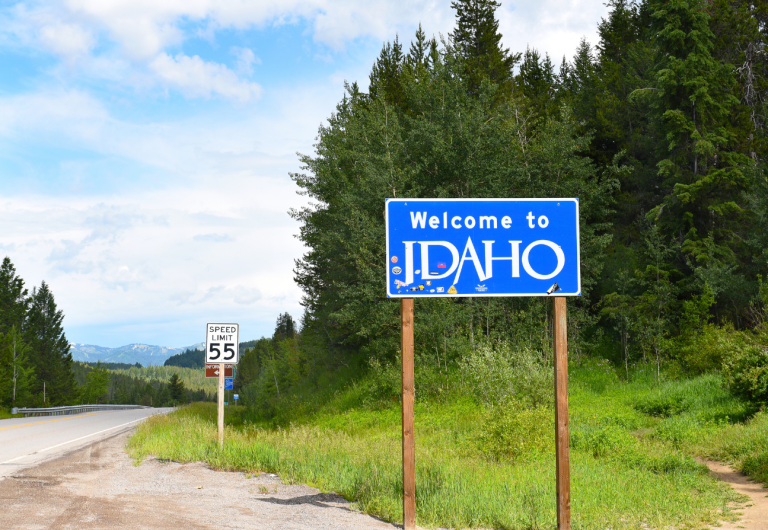
During his early years in the Rockies, Bridger traveled through what is now Wyoming, Idaho, Montana, and Utah. His expeditions contributed to key geographic discoveries:
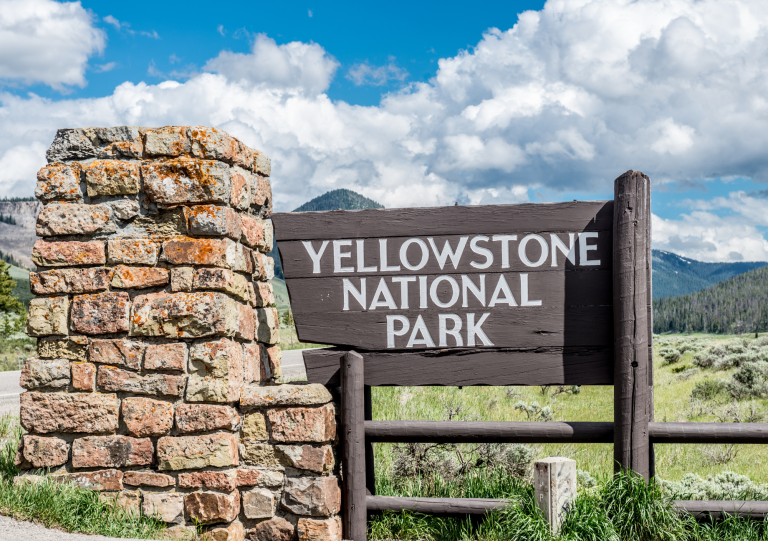
He was among the first Euro-American men to see the geysers of Yellowstone.
He explored the Great Salt Lake, helping confirm its unique geography.
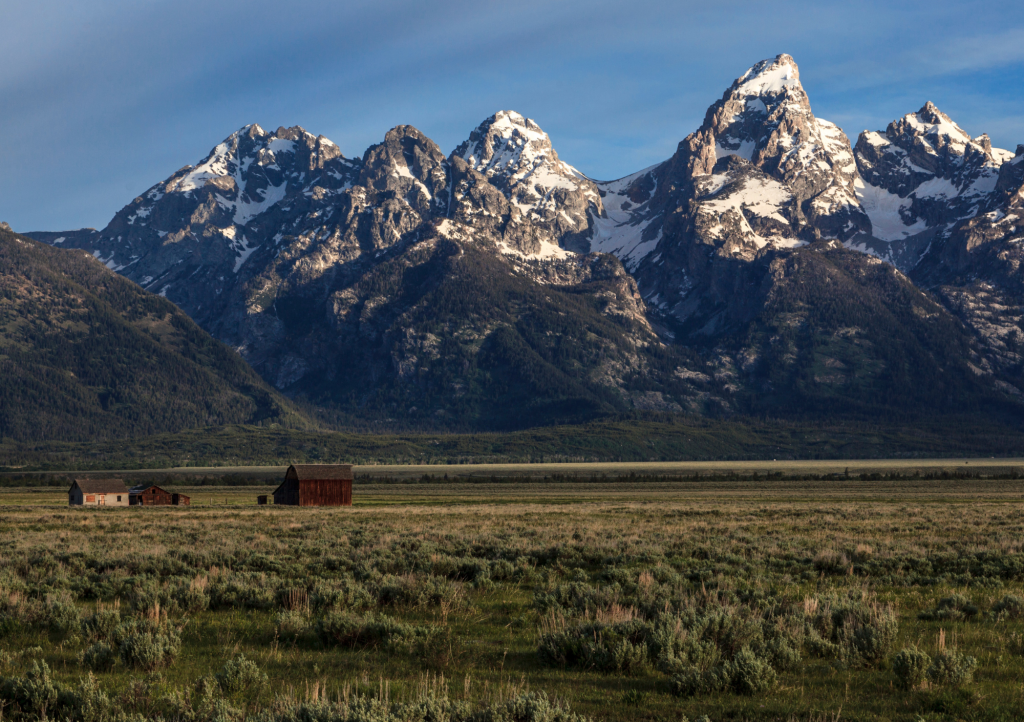
He navigated through what would later become the Teton region, gaining intimate knowledge of the Snake River, mountain passes, and valley terrain.
These early journeys laid the foundation for future explorers, settlers, and scientists who relied heavily on his notes and guidance.
Shaping Jackson Hole History Through Exploration
Jim Bridger’s connection to Jackson Hole is woven into the valley’s earliest stories. His influence helped shape many aspects of the region we know today:
1. Mapping Safe Travel Routes
Bridger scouted large sections of the West that later became:
the Oregon Trail
the Bridger Trail, a safer alternative to the Bozeman Trail
multiple passes used by emigrants heading toward Montana and Idaho
His knowledge of the Snake River corridor, Tetons, and surrounding valleys supported early travel patterns through Jackson Hole.
2. Cross-Cultural Expertise
Bridger is believed to have spoken several Indigenous languages and understood the customs of various tribes.
This made him an effective interpreter and negotiator, most notably when he helped map tribal boundaries for the Treaty of 1851, one of the most significant diplomatic agreements between the U.S. government and Native nations.
3. Establishing Fort Bridger
In 1843, he built Fort Bridger, which became a major resupply point for travelers heading west.
Visitors could find:
fresh livestock
blacksmithing services
food and supplies
updated guidance on safe routes
Many emigrants passing through the region,and later Jackson Hole, relied on information from Bridger and his fort.
Bridger’s Legacy in the Teton Region
Today, his influence remains visible throughout the West:
Bridger-Teton National Forest
Bridger Mountains
Fort Bridger Historic Site
Place names throughout Wyoming honoring his work
In Jackson Hole, his legacy lives on not only in the landscape but in the stories told by guides, historians, and river outfitters who continue exploring the same terrain he once crossed.
What Jim Bridger Means for Today’s Visitors
For modern travelers, Jim Bridger’s contributions offer far more than historical trivia, they shape the very experience of being in Jackson Hole.
- His maps influenced the roads guests use today.
- His trail knowledge opened access to the Snake River.
- His exploration paved the way for recreation, wildlife viewing, float trips, and the appreciation of the Tetons as we know them.
When you float down the Snake River with Teton Scenic Float Tours, you’re moving through landscapes Bridger helped introduce to the world.
Frequently Asked Questions
Why is Jim Bridger important to Jackson Hole history?
Jim Bridger explored early routes through the Teton region, guided travelers, and mapped areas that became essential for westward migration. His knowledge shaped how people first navigated Jackson Hole.
Did Jim Bridger ever explore the Snake River?
Yes. Bridger traveled through the Snake River corridor while trapping, scouting, and guiding. His observations helped future travelers understand the terrain and river access points.
What role did Bridger play in the Treaty of 1851?
He served as a guide and interpreter, helping map tribal boundaries for the treaty, one of the most important diplomatic efforts between the United States and Native nations.
What landmarks are named after Jim Bridger?
Several Western landmarks honor him, including Bridger-Teton National Forest, the Bridger Mountains, and Fort Bridger.
How can I explore areas Jim Bridger once traveled?
A scenic float trip on the Snake River is one of the best ways to experience the landscapes Bridger navigated, offering wildlife, mountain views, and a peaceful way to connect with Jackson Hole’s history.

Float Through Jackson Hole History
Jim Bridger helped shape early travel routes through the Teton region, and the landscapes he once crossed remain some of the most breathtaking in the American West. Today, you can experience these same views from a quiet stretch of the Snake River, one of the best ways to appreciate the history woven into Jackson Hole’s valleys, canyons, and peaks.
At Teton Scenic Float Tours, our 13-mile Snake River float offers a peaceful way to see the Tetons, spot wildlife, and learn how figures like Bridger influenced travel through this region. Drifting past cottonwood forests, sweeping mountain views, and calm river channels gives you a deeper connection to the land that early explorers navigated long before roads existed.
👉 Learn more about our Snake River float trips and reserve your seat today.